The Bottle Is the Point: Inside the Obsessive Hunt for Vintage Fragrance Packaging
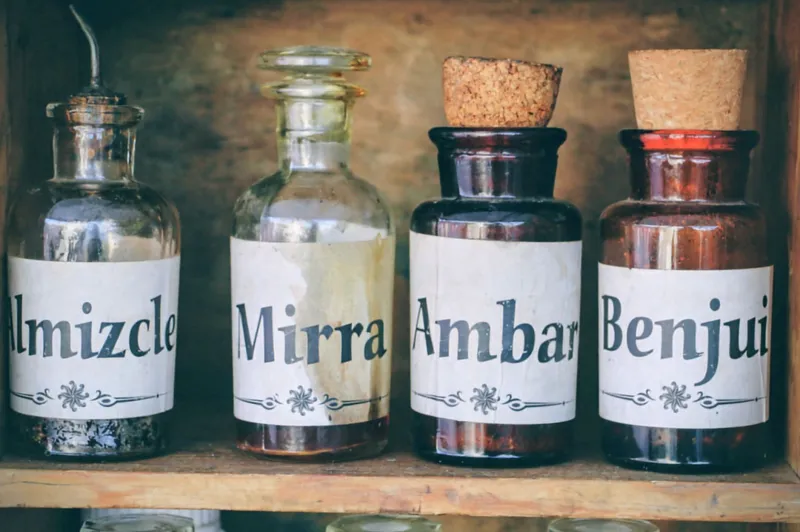
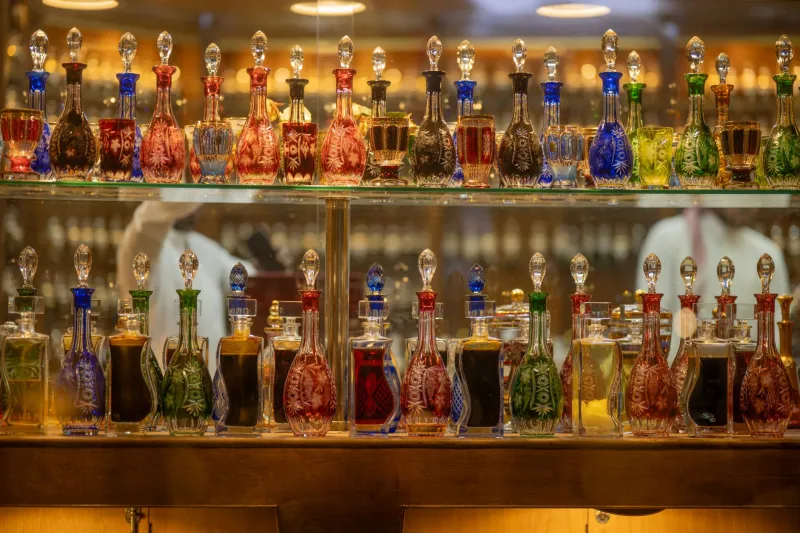
Somewhere in a spare bedroom in Tucson, there's a shelf holding forty-three perfume bottles. Not one of them contains a single drop of fragrance. That's not an accident — it's the whole idea.
Meet the fragrance packaging collectors: a niche-within-a-niche community who've decided that the vessel is, in fact, the point. While mainstream perfume collectors chase discontinued scents, hunting down sealed bottles of Halston Z-14 or vintage Chanel No. 5 for the juice inside, this particular crowd has gone a different direction entirely. They want the glass. The box. The foil stamp. The department store counter card. The object, divorced entirely from its original purpose.
And once you fall into this rabbit hole, it turns out the objects are extraordinary.
Empty on Purpose
It sounds counterintuitive at first. Why collect the packaging from something that was designed to hold something else? But spend five minutes talking to anyone deep in this hobby and the logic clicks into place fast.
"A great perfume bottle from the 1970s is basically a sculpture," says one collector who goes by MidcenturyMusk on several fragrance forums. "The fragrance industry was commissioning real artists and glassmakers to design these things. The bottle wasn't an afterthought — it was part of the brand identity. Sometimes it was the brand identity."
He's not wrong. During the postwar boom and through the 1970s, American and European fragrance houses treated their packaging like a competitive sport. Avon alone employed an army of designers to create limited-edition decanters shaped like cars, animals, chess pieces, and Cape Cod lighthouses. These weren't just cute tchotchkes — they were hand-blown glass items with real craft behind them, sold at accessible price points to everyday American households.
Decades later, those same bottles are showing up on eBay, at estate sales, and in antique malls across the country. And the collectors who know what they're looking at are moving fast.
What Makes a Bottle Worth $400
Not every old perfume bottle is a score. The community has developed a surprisingly rigorous set of criteria for what makes packaging genuinely collectible, and condition is only part of the equation.
Authenticity matters enormously. For Avon pieces especially — which are among the most actively collected — original stoppers, intact labels, and matching boxes can multiply value several times over. A 1972 Avon "Tai Winds" decanter in the shape of a ship might sell for $8 loose at a flea market. The same bottle with its original box, insert card, and factory seal intact? Collectors have paid north of $200 for clean examples.
But Avon is just the entry point. The deeper end of the pool involves pieces from prestige houses — Baccarat-made bottles for Guerlain, Lalique designs for Nina Ricci, the iconic Elsa Schiaparelli "Shocking" bottle shaped like a dressmaker's dummy. These pieces exist at the intersection of perfume history and decorative arts, and they're priced accordingly. Museum-quality examples can reach into the thousands.
"The authentication piece is where it gets genuinely complicated," says one dealer who sells vintage fragrance items at antique shows in the mid-Atlantic region. "There are reproductions out there, especially for the really desirable Art Deco pieces. You have to know the weight of the glass, the specific font on the label, whether the stopper matches. It's the same kind of due diligence you'd do with any antique."
The Paper Trail People
Bottles are the headline, but a growing contingent of collectors is equally obsessed with what they call fragrance ephemera: the advertising materials, counter displays, sample cards, and promotional items that accompanied these products during their commercial lives.
A 1960s Saks Fifth Avenue counter display for Arpège. A full set of scratch-and-sniff magazine inserts from a 1980s Giorgio Beverly Hills campaign. An original hand-illustrated ad for Tigress by Fabergé. This stuff was designed to be thrown away, which means surviving examples are genuinely rare — and the collectors who focus on paper are often flying under the radar of even the bottle crowd.
"The ephemera people are a whole other level of specific," laughs one collector. "I thought I was deep in it until I met someone who only collects department store fragrance counter signage from 1958 to 1964. Just that. Nothing else."
This is, of course, peak rabbit hole behavior, and nobody in the community seems embarrassed by it.
The Community That Built Itself Online
Like most niche collecting hobbies, this one found its real momentum online. Forums like Basenotes and Fragrantica are better known for discussing the scents themselves, but both have subcultures dedicated to packaging. Facebook groups with names like "Vintage Perfume Bottles & Collectibles" have tens of thousands of members sharing finds, asking for authentication help, and posting estate sale hauls.
The community skews older than you might expect — a lot of collectors are in their 40s, 50s, and 60s, often reconnecting with bottles they remember from their mothers' or grandmothers' dressing tables. But there's a younger wave coming in too, drawn partly by the general resurgence of interest in vintage aesthetics and partly by TikTok, where #vintageperfumebottle has racked up millions of views.
"I found my first piece at a Goodwill when I was 24," says one collector in her early 30s. "It was this incredible cobalt blue bottle with a gold stopper, completely empty, and it was $2. I looked it up when I got home and fell completely down the rabbit hole. That was six years ago. I have a dedicated cabinet now."
Why the Vessel Outlasts the Scent
There's something almost philosophical lurking underneath this hobby. Fragrance is, by nature, ephemeral — it fades, it oxidizes, it changes. A bottle of perfume from 1975, even sealed, smells nothing like it did the day it left the factory. The scent is essentially gone.
But the bottle? The bottle is still exactly what it was. The glass hasn't changed. The label — if it survived — still carries its original typography. The stopper still fits the same way it did when someone's grandmother set it on a vanity in 1972.
For collectors, that permanence is part of the appeal. They're not chasing a smell. They're chasing an object with a life of its own — one that passed through homes and hands and estate sales before landing on their shelf.
"People ask me all the time why I collect empty bottles," MidcenturyMusk wrote in a forum post that got shared widely in the community. "I tell them: I'm not collecting emptiness. I'm collecting everything that surrounded the thing that's gone."
Honestly? That's a pretty good reason to fall into a rabbit hole.