Bottled Time: The Obsessive World of People Who Collect Perfumes That No Longer Exist
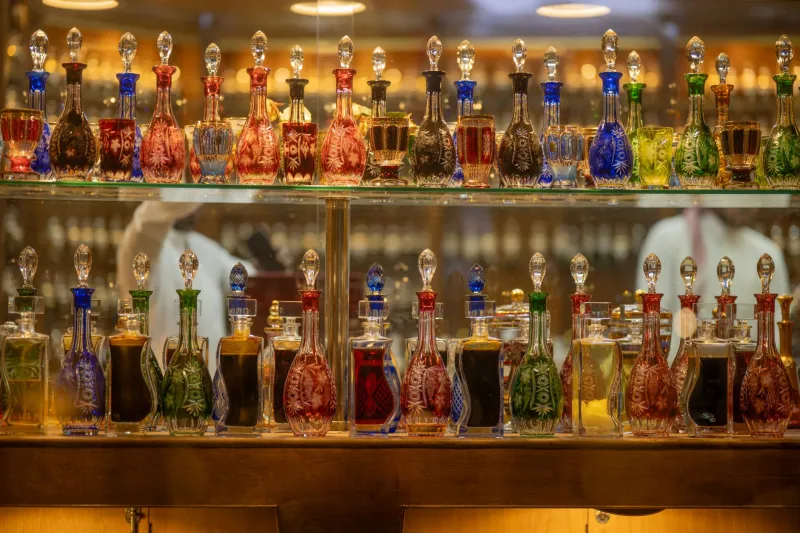
There's a bottle of Halston Z-14 sitting in a climate-controlled cabinet in a suburb of Columbus, Ohio. It's from the late 1970s. The glass is intact. The juice inside — perfumers actually call it juice, which is delightful — has shifted to a deeper amber than it originally was, which is either a sign of graceful aging or the early stages of spoilage, depending on who you ask. The person who owns it paid $280 for it on eBay after a three-week search. They have smelled it exactly four times, because every spray counts.
Welcome to the world of discontinued fragrance collecting, a hobby that sits somewhere between archival preservation, sensory nostalgia, and full-on obsession. It's quieter than sneaker collecting. It's weirder than wine. And it has a devoted, deeply nerdy community that takes the whole enterprise extremely seriously.
Why Smell Is Different
Here's the thing about scent that collectors will tell you within the first five minutes of any conversation: it hits different. Not in a vague, hand-wavy way — there's actual neuroscience behind it. The olfactory system has a more direct line to the brain's memory and emotion centers than any other sense. A photograph of your childhood bedroom is nice. Actually smelling the cedar from your grandmother's closet? That's a different category of experience entirely.
This is why people don't just like these old fragrances. They need them. Collectors describe chasing a specific scent the way other people describe chasing a memory they can't quite hold onto. One collector on the fragrance forum Basenotes put it plainly: "My dad wore Azzaro Pour Homme in the '80s. He's been gone for twelve years. When I found a vintage bottle, I didn't open it for a month. I just kept it on the shelf and looked at it."
That's the emotional core of all of this. But the hobby has grown into something much more elaborate than grief and nostalgia. There are people in this community who approach discontinued fragrances the way serious wine collectors approach rare vintages — with spreadsheets, authentication protocols, and strong opinions about decanting.
The Hunt
Finding discontinued fragrances is genuinely hard. The obvious starting point is eBay, where vintage bottles surface constantly — but so do fakes, dried-out husks in pretty bottles, and sellers who have no idea what they actually have. Serious collectors have developed a whole toolkit for evaluation: checking fill levels (called "ullage" in the wine world, borrowed wholesale by fragrance nerds), examining batch codes stamped on the bottom of bottles, cross-referencing with databases that track production years, and sometimes corresponding directly with fragrance historians.
Yes, fragrance historians are a thing.
Estates sales are goldmines. So are antique malls, thrift stores in wealthier zip codes, and — this one's interesting — old hotel liquidations, where decades-old amenity bottles occasionally surface. There's a whole subcategory of collectors who specialize in vintage miniatures, the tiny sample bottles that airlines and department stores used to give away. Those can fetch surprising prices when they're from the right era and the right house.
The big game, though, is the full-size vintage bottle of something that was reformulated or killed off entirely. Fragrance companies discontinue scents constantly, and they also reformulate living ones — sometimes dramatically — when ingredients get restricted by international regulatory bodies or when the cost of a particular material spikes. This means that even a fragrance that technically still exists might smell completely different from how it did in 1995. Collectors make this distinction loudly and often.
The Spreadsheet People
If you've spent any time in hobby communities online, you already know that a certain type of enthusiast eventually reaches a point where cataloging the collection becomes its own separate hobby. Fragrance collectors are no different.
The serious ones maintain detailed logs: acquisition date, purchase price, estimated bottle age, fill level at time of purchase, storage conditions, and tasting notes — except for smell, obviously, so let's call them smelling notes. These documents get updated regularly. Some collectors photograph their bottles under consistent lighting to track any color changes in the juice over time, because oxidation is real and it matters.
Storage itself is a whole conversation. Heat and light degrade fragrance over time, so dedicated collectors keep their bottles away from windows, sometimes in wine fridges set to specific temperatures. Humidity is debated. Direct sunlight is universally considered the enemy. One collector in the r/fragrance subreddit described his setup as "basically a wine cellar but for cologne," which is the most accurate sentence I've ever read.
The community has also built its own infrastructure for sharing. Fragrance split groups allow collectors to pool money on a rare bottle, then divide the contents into smaller decants using specialized equipment. It's an elegant solution to the problem of a $400 bottle being out of reach for most individuals — and it's created a whole secondary economy of decanting services and split coordinators who manage the logistics.
What Gets Collected
The most sought-after discontinued fragrances tend to cluster around a few eras. The 1970s and '80s produced a lot of powerhouse scents — big, loud, unapologetically bold — that have since been discontinued or gutted by reformulation. Things like vintage Drakkar Noir, old-formula Polo by Ralph Lauren, or the original Opium by YSL. These were fragrances that defined specific cultural moments, and people who lived through those moments want them back.
There's also serious collector interest in niche houses that went under — small perfumers whose entire catalogs are now orphaned. These tend to be rarer and more expensive, and the people hunting them are usually more technically sophisticated about fragrance in general.
And then there's the just-plain-weird stuff: corporate promotional scents, regional department store exclusives, celebrity fragrances from celebrities who are no longer relevant enough to keep the line going. Someone out there is looking for a specific Britney Spears flanker from 2009. They are not embarrassed.
Is It Worth It?
Depends entirely on what you're optimizing for. If you're asking whether a half-empty bottle of a 40-year-old cologne is worth $280 by any conventional metric, the answer is almost certainly no. But that's a pretty boring way to think about it.
What these collectors are actually buying is access to a sensory experience that doesn't exist anymore. They're preserving something that the market decided wasn't worth keeping around. And in some cases, they're doing genuine archival work — documenting, comparing, and sharing information about fragrances that would otherwise be completely lost to time.
There are worse things to fall down a rabbit hole over. At least this one smells good.
Mostly. Some of those vintage bottles have turned. But that's a risk the collectors accept, and honestly, they'll tell you about it at length if you let them.