Flour, Water, Salt, and Fanaticism: Inside America's Most Unhinged Baking Subculture
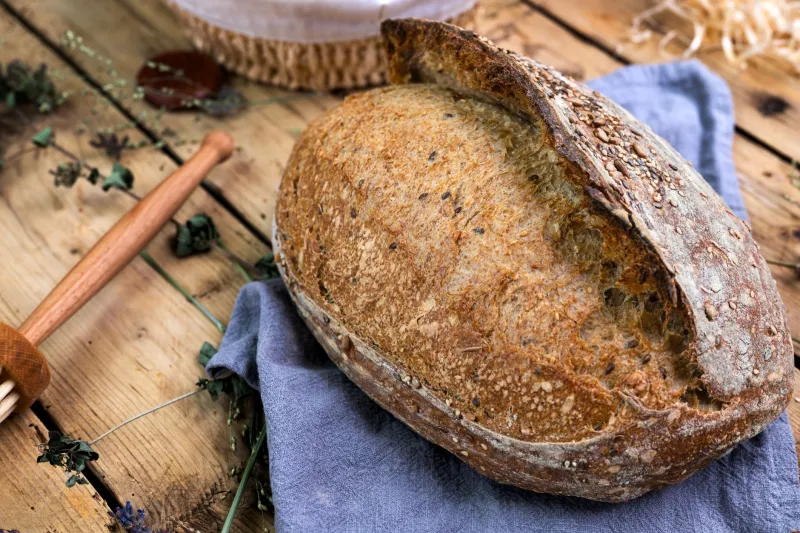
Somewhere in a suburb of Columbus, Ohio, a woman named Debra is carefully feeding her sourdough starter — a bubbly, slightly sour-smelling jar of fermented flour paste she calls Gerald — for the third time this week. Gerald is eleven years old. Gerald has his own shelf in the refrigerator. Gerald has, on at least one occasion, been the subject of a tearful phone call when Debra accidentally left him out in the heat during a July move.
Debra is not unusual. Not in this world, anyway.
The sourdough rabbit hole is one of the internet's most deceptively deep ones. You think you're just baking bread. You think you're doing something wholesome and productive with your hands. And then, six months later, you're arguing with a retired postal worker in a private Facebook group about whether 80% hydration dough is "for beginners" or "the only civilized option," and you're genuinely offended by the accusation.
How a Pandemic Hobby Became a Full Personality
Let's rewind to 2020. Flour disappeared from grocery store shelves faster than toilet paper. Millions of Americans, suddenly housebound and desperate for purpose, turned to bread baking as a form of therapy. It made sense — there's something grounding about working with your hands, about creating something tangible when the world felt completely out of control.
But sourdough is different from, say, banana bread. Sourdough requires a starter — a living culture of wild yeast and bacteria that you cultivate yourself over days, feeding it regularly with fresh flour and water. You are, essentially, keeping a pet. A pet that makes bread.
For a lot of people, that relationship never really ended when the pandemic did. Instead, it deepened. Starters got names. Then backstories. Then Instagram accounts.
The r/Sourdough subreddit now has over 800,000 members. Private Facebook groups dedicated to the craft routinely hit tens of thousands of participants. And the discourse inside those spaces is — to put it diplomatically — spirited.
The Drama Is Very Real and Extremely Specific
If you've never witnessed a sourdough argument online, you are missing out on one of the internet's most niche spectacles. The flashpoints are numerous and surprisingly heated:
Hydration ratios. This is the percentage of water relative to flour in your dough. Some bakers swear by high-hydration loaves (think 85% and up) for an open, airy crumb. Others insist this is showing off and that a 70% loaf is perfectly respectable. This argument has been happening continuously since approximately 2019 and shows no signs of resolution.
The discard debate. When you feed your starter, you remove some of it first — this is called "discard." What you do with that discard is a whole separate rabbit hole. Pancakes? Crackers? Waffles? Or is discarding it at all a moral failing? There are people who genuinely feel guilty throwing any of it away.
Scoring patterns. The decorative slashes you cut into the top of a loaf before baking. Some bakers spend more time on their scoring than on the actual fermentation. There is a subset of the community that has essentially turned bread into canvas art, and another subset that finds this deeply suspicious.
And then there are the starter origin stories. Oh, the origin stories.
My Starter Is Older Than Your Starter and Also Possibly Haunted
Here's where things get genuinely fascinating from a sociological standpoint. A sourdough starter, properly maintained, can theoretically last indefinitely. And some of them have. There are starters allegedly descended from Gold Rush-era San Francisco baking cultures. There are starters that have supposedly been passed down through generations of Italian families. There are starters that bakers claim were gifted by a mysterious elderly neighbor who has since passed away and whose recipe died with her.
The provenance of a starter is a matter of serious community status. The older and more storied your starter, the more authority you carry. People have mailed portions of their starters across the country to strangers who asked nicely. There are online "starter libraries" where you can request a sample of a particularly famous culture.
And yes, some people do speak about their starters with a reverence that borders on the mystical. "She knows when I'm stressed," one baker in a Pacific Northwest sourdough group wrote last year, referring to her starter's tendency to ferment more slowly during difficult weeks. The post received 340 supportive comments. Nobody questioned the premise.
Why This Particular Hobby Hits Different
So what is it about sourdough that turns casual bakers into devotees? Food anthropologists (yes, that's a real thing) would probably point to the combination of craft, science, and care that the hobby demands. You have to pay attention. You have to develop intuition over time. You have to accept failure gracefully and try again.
There's also something genuinely countercultural about it in a modern context. Making your own bread from scratch — real bread, not the stuff that comes in a plastic bag — feels like opting out of industrial food systems. It feels like self-sufficiency. It feels, in some small way, like reclaiming something.
For a lot of millennials and Gen Xers who came to sourdough during the pandemic, it also became tied up in identity during a period when a lot of other identity markers were up for grabs. When you couldn't go to concerts or travel or define yourself by your social life, you could define yourself by what you made with your hands.
And once a hobby becomes identity, the stakes of every online conversation about that hobby quietly skyrocket.
The Bread Will Outlast Us All
Debra, back in Columbus, is not particularly online about her sourdough. She doesn't post Gerald's progress to Instagram. She's not in any Facebook groups. She just bakes, consistently, every week, because she finds it meditative and because her family eats a lot of toast.
But she did once give a portion of Gerald to her neighbor's college-age daughter, who has since moved to Portland and, apparently, is very active in the sourdough Reddit community and has renamed her portion of the starter something that Debra finds a little embarrassing.
Gerald lives on. The bread cult grows.
If you're curious enough to poke your head in, just know: they will ask about your hydration ratio within the first five minutes. Have an answer ready.